review: skilful studies

Inspired by the posts I've done on instruments, I am planning on reviewing some of the music and materials I've used in band that don't have a whole lot of information about them out there. To start, I've selected Philip Sparke's series of etude books for wind instruments.

Sparke's books come in three volumes: Starter Studies, Skilful Studies, and Super Studies. I have the most experience using the middle level book (Skilful Studies), so I mainly focus on that. Each book is available for Flute, Oboe, Clarinet, Bassoon, Saxophone, Trumpet, Horn, Trombone (BC/TC), Euphonium (TC/BC), Tuba, and Eb/Bb Bass (TC/BC). I currently use Skilful Studies in small group lessons with my 7th and 8th graders, and I am quite pleased with the selection of material in the books. There are forty progressive etudes (each about half a page) tailored to the range and idiosyncrasies of each instrument.

Things I like:

  • breath marks, delineating phrases, are given in every etude
  • a wide variety of tempo/style markings
  • just enough dynamic markings to help young students learn how to shape phrases on their own
  • tuneful, original melodies (often with clever, or at least interesting, titles)
  • a good mix of key signatures and time signatures
  • good pace of becoming progressively more difficult (range increases, key signature diversity, technical skill required, etc.)
  • plenty of slower etudes

Things I don't like (all of these are a little picky)

  • the clarinet book has some challenging early etudes (the first, for example, is in the key of G concert, and that is not a particularly common key for a 3rd or even 4th year player. Three sharps are doable, but I sometimes skip some of the early etudes and come back after students are more ready)
  • no supplemental material. It would be great to have a glossary in the front or back with definitions for all of the style markings. The book doesn't pretend it's anything other than an etude book, but there are times I wish for some scale or technical exercises mixed in with the etudes to help students build the necessary skills to play them well.
  • can't play most etudes with someone on a different instrument. I have a group of mixed saxophones--a couple of the etudes actually sound neat played in 4ths or 5ths (like #3, Modal Melody), but mostly they just sound weird. This is just one of the trade-offs of using this book in small group lessons, though, rather than in private lessons.

I have found that Skilful Studies has helped me help students work on expressive playing. While it can be nice to have a greater variety of materials in one book (like the Rubank series), I have found that assigning scale and rhythm exercises separately has worked out alright for me.

Sometimes, I have students who still struggle with note (and/or rhythm) reading in 7th grade. That's when Starter Studies comes to the rescue; it begins with quarter and whole notes on a single pitch, and it allows students to progress fairly rapidly to fill in the gaps in the music reading ability. From the end of that volume, it is a natural transition to Skilful Studies. I haven't yet had any 8th graders finish Skilful Studies and move on to Super Studies--they only spend one semester in the book each year (the other is spend on chamber music). The last volume is particularly challenging, and more appropriate for high school than grades 7 and 8.

I heartily recommend Skilful Studies for working on expressive playing and well-rounded musicianship.

rehearsal routines

Over the past several years, the basic layout of my rehearsals at school hasn't changed much. If I don't change materials a bit each year, though, then the students I have miss out on some of the benefits of doing a routine. I've had some students for as long as seven years, and they may spend as many as four years in the same ensemble, so I think it is important to keep the routine fresh and change elements from time to time. What follows is a list of elements I've used in the past, and then a description of my current routine and a justification for each element.

Scales
Rhythm Exercises (based on Stephen Melillo's Rhythm Works)
Chorales
Breathing
Listening to music
Rehearsal of full band works
Sectionals

Currently, band rehearsal for my 9th–12th grade group looks like this:

Students arrive and put together instruments. Usually the percussion section sets up in the hall with a separate set of instructions for their warmup that week.
The first thing played is a scale, usually in half notes at a moderately slow tempo. I follow it up with variations (an articulation pattern, in a 3-part canon, etc.) and try to tie those variations to goals I have for the band (cleaner articulation, tuning, etc.). My favorite resources for major scales are this set and Scaleworks by Stephen Melillo.

After the scale part, students speak and/or play from a rhythm page. One set I've used is from Melillo, another comes from Jeff Waggoner, and I've started making my own so that I can go a few years before repeating exactly the same material. Sometimes it also helps to have more material because some students take longer to get it, and those that already understand rhythm don't feel as bored if they aren't repeating exactly the same set from year to year.

For chorales, I am again a fan of Stephen Melillo and his Function Chorales. If you haven't seen them, take a look--it's a longer post for later to talk about how neat they are. I've also had great success using Bach chorales, and I've arranged more than 25 for band. They are great starting in the 3rd year of playing (for my students, at least), because students grow in understanding balance and tuning, reviewing chromatic pitches, and they get exposure to a master of music.

This year I have started spending more time on breathing exercises drawn from The Breathing Gym. While some students don't like doing them, focusing on air makes some pretty noticeable differences in the sound of wind players.

After the warmup part of the routine (anywhere from 7 to 15 minutes), regular rehearsal or sectionals start. I'll dig into what I do more later.

gradual improvements (Schiller tubas)

In the past six years, I've purchased five new tubas for my school. I discussed this earlier but thought that it might be helpful to show the changes that have taken place in just a few years in the tubas under the Schiller label (sold by Jim Laabs Music).

First, what am I comparing?

tubas 1, 2, 4, and 5

tubas 1, 2, 4, and 5

Tuba #1 – 4-valve (rotary)
Tuba #2 – 3-valve (piston)
Tubas #3, 4, and 5 – 4-valve (piston)

In terms of build quality, I haven't actually seen a big difference. The finish on each tuba is pretty nice with just an occasional spot of less than perfect soldering. The valves have worked without issues on all of the instruments, and all of them play in tune. The biggest difference I have seen has been in the quality of the case provided with each instrument.

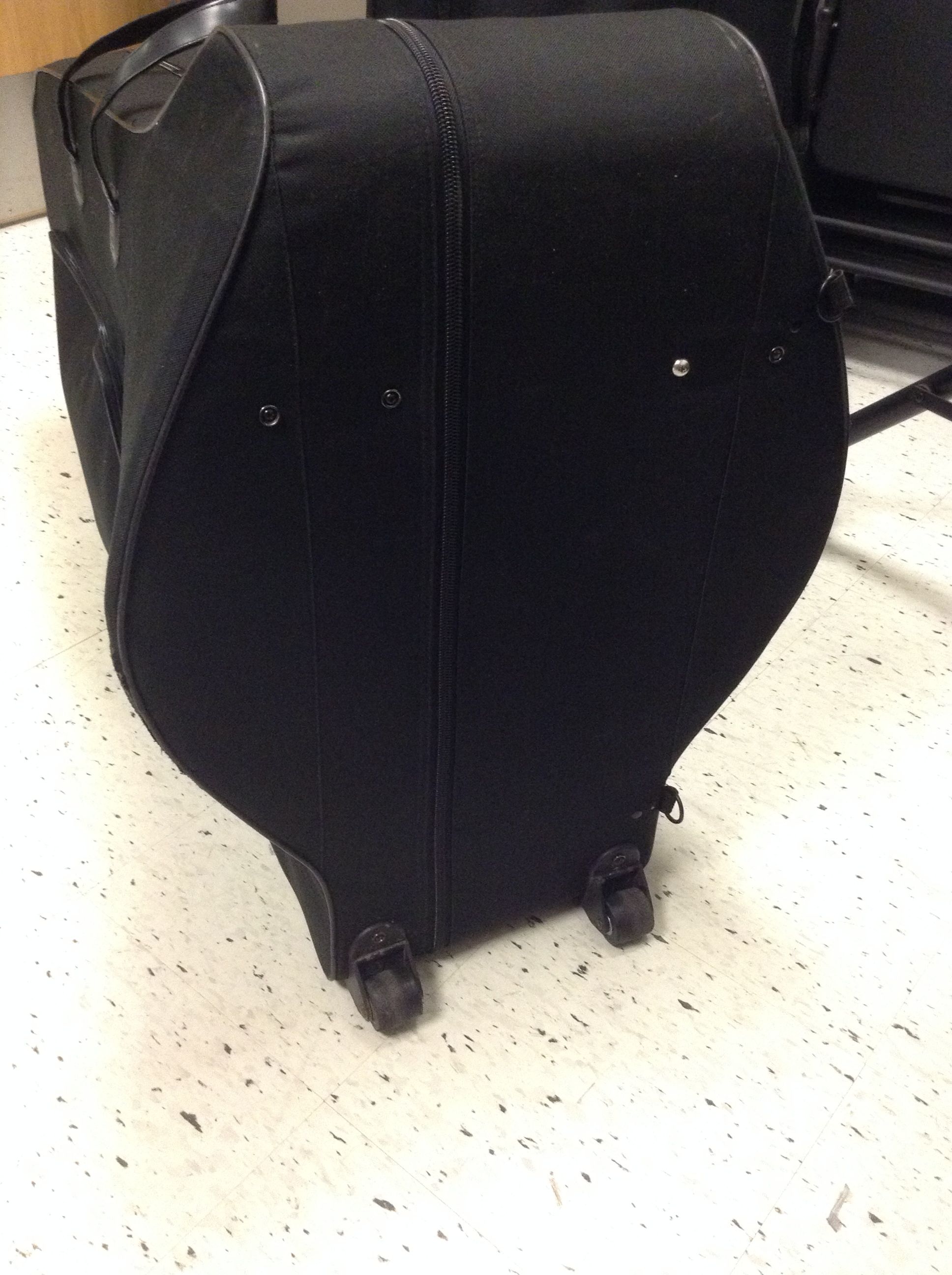
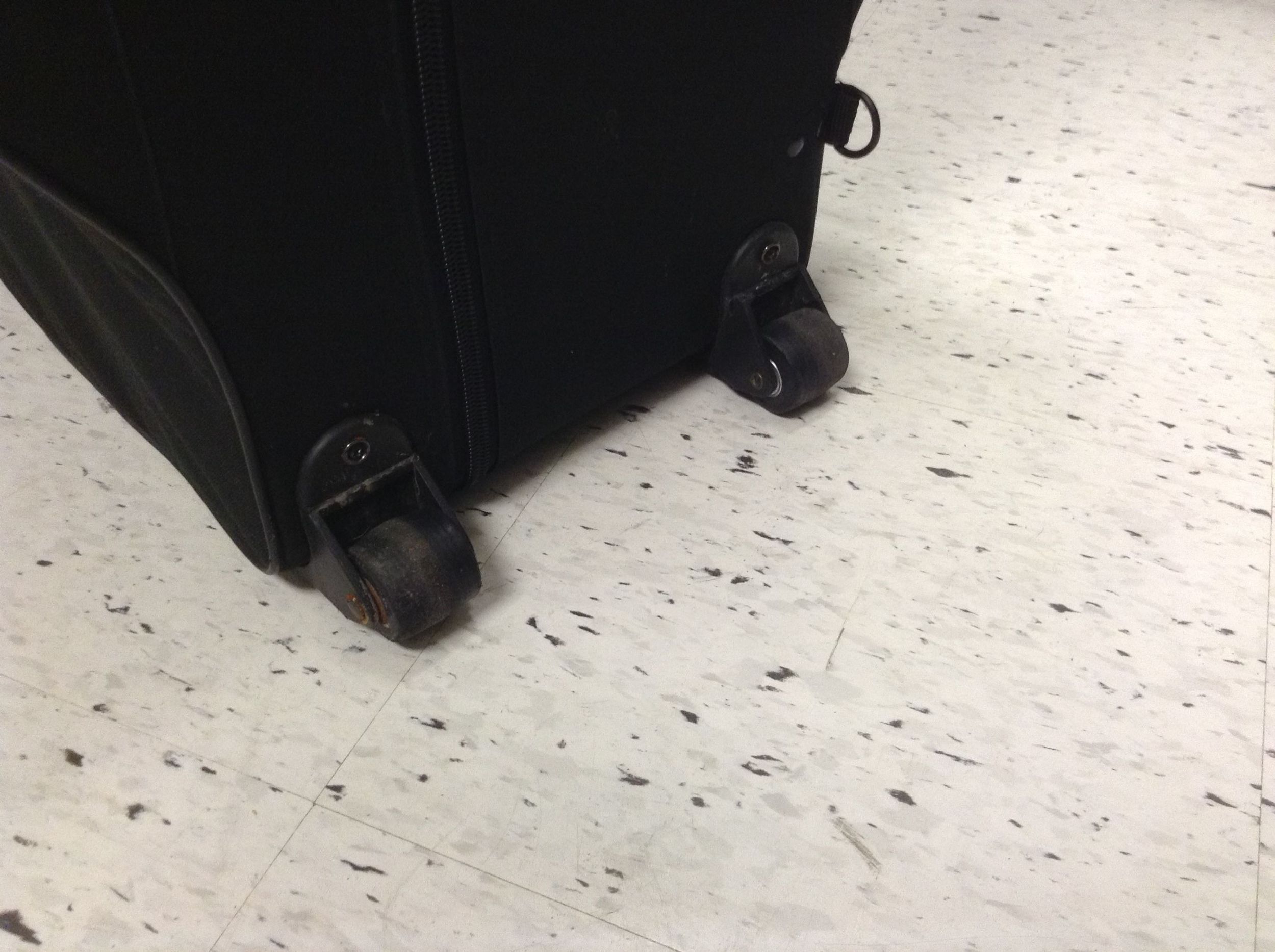
The first two cases, while still able to protect a tuba inside, are falling apart. The first parts to start failing were the wheels and legs that keep the case upright. Screws rusted a bit, and and because they protrude so much (and have the weight of a tuba behind them), they have been broken off. Next, the seam between the two halves of the case has been stressed. It still holds together, but it is coming apart and held together by the fabric. The carrying and pulling handles are also fraying. Both cases do still roll (somewhat awkwardly), so I haven't had to invest in a new case yet.

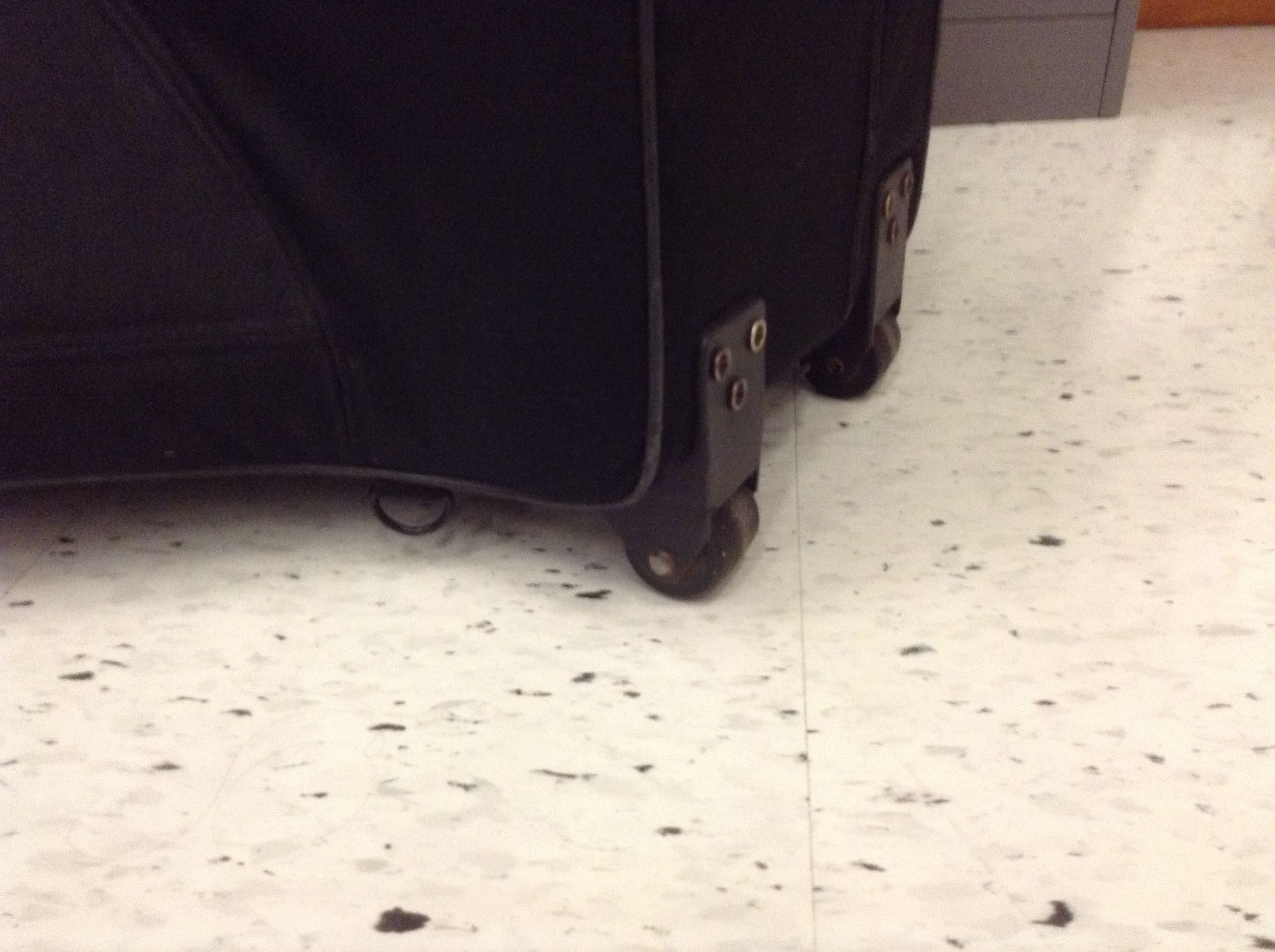
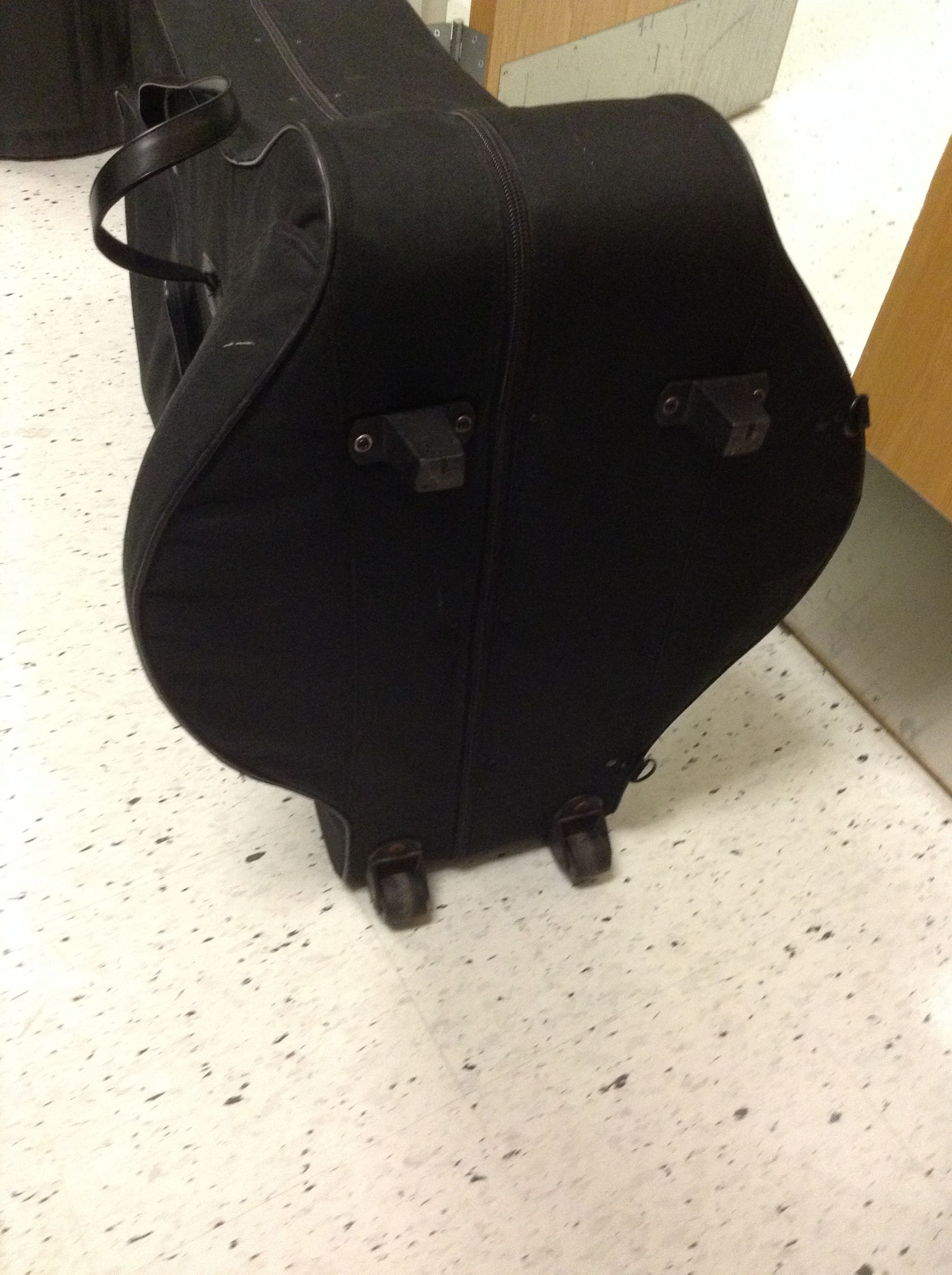
Starting with Tuba #3, things changed. The feet and wheels don't stick out as much, and that has made all the difference in the world. This tuba has been in use for 2 1/2, and the first two showed significant signs of deterioration by that point. So far, the case for Tuba #3 looks good (including the carrying/pulling handles--they received some extra reinforcement). 

tuba #1 - tolerable

tuba #5 - improved strap

Tubas 4 and 5 were purchased within the last four months. The wheels have gotten chunkier, the feet are similar in design, and I don't see any new problems with the design changes.

Tuba #3 - better wheels

Tuba #5 - chunky wheels

Tuba #5 - better feet (six instead of 2!)

One thing that all the cases have in common is that they don't roll as well when pulled as when pushed. They tend to rock from side to side and tip over easily.